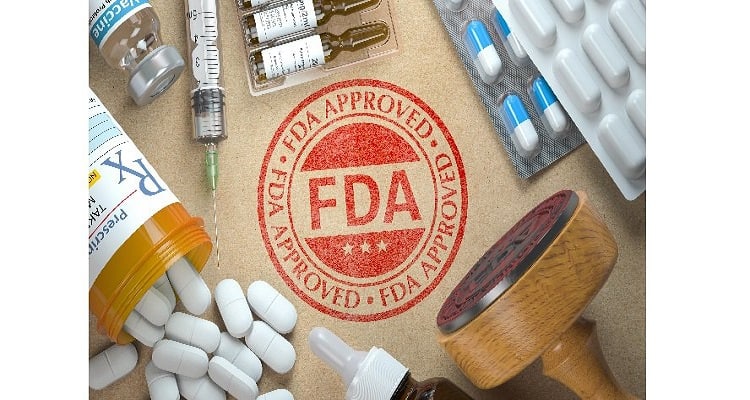
US FDA registered drug manufacturers form the backbone of the pharmaceutical supply chain serving the United States. Any company involved in the manufacturing, processing, packing, or labeling of drugs intended for the US market must comply with regulatory requirements enforced by the United States Food and Drug Administration. Registration is not optional; it is a legal obligation that ensures transparency, accountability, and patient safety.
Understanding US FDA Drug Establishment Registration
US FDA drug establishment registration is a formal process through which a manufacturing facility is identified and listed with the US FDA. This applies to manufacturers of finished dosage forms, active pharmaceutical ingredients, contract manufacturers, and facilities involved in relabeling or repackaging drugs.
Registration confirms that the establishment exists, operates within the regulatory framework, and is subject to US FDA oversight. It does not mean the drug itself is approved, but it allows the US FDA to monitor facilities responsible for drugs entering the US market.
US FDA Registered Drug Manufacturers in India and Other Countries
US FDA registered drug manufacturers are not limited to the United States. Many facilities in India, Europe, and other regions are registered with the US FDA to legally export pharmaceutical products to the US. For foreign manufacturers, registration is mandatory even if no physical operations exist within the United States.
In addition, non-US facilities must appoint a US FDA U.S. Agent. The U.S. Agent serves as the official communication link between the US FDA and the foreign drug manufacturer, ensuring regulatory notices, inspection communications, and compliance updates are properly managed.
Role of GMP in US FDA Registration
US FDA registration goes hand in hand with compliance to Current Good Manufacturing Practices. GMP requirements outlined in 21 CFR Parts 210 and 211 govern quality systems, documentation practices, personnel training, equipment validation, and production controls.
US FDA registered drug manufacturers are routinely inspected based on risk factors such as product type, compliance history, and public health impact. Inspections assess whether manufacturers consistently produce drugs that meet identity, strength, quality, and purity standards.
Why US FDA Registration Matters
US FDA registration offers significant strategic advantages. It enables lawful access to the US pharmaceutical market and enhances a manufacturer’s global credibility. Many international buyers and regulatory authorities view US FDA registration as a mark of operational maturity and quality commitment.
For contract manufacturing organizations and API suppliers, US FDA registration can be a deciding factor when forming partnerships with US-based pharmaceutical companies.
Common Compliance Challenges
Despite its importance, maintaining US FDA registration can be challenging. Manufacturers often struggle with inspection readiness, data integrity controls, documentation gaps, and change management. Foreign manufacturers may also face difficulties interpreting US regulatory expectations or responding promptly to US FDA communications.
Without expert guidance, these challenges can lead to inspection observations, warning letters, or even import alerts that disrupt business operations.
Support from a US FDA Consultancy
Working with an experienced US FDA Consultancy can significantly reduce compliance risks. XPRO America, a professional US FDA Consultancy, assists drug manufacturers with US FDA drug establishment registration, U.S. Agent services, GMP compliance support, and inspection preparedness. Their regulatory-focused approach helps manufacturers align systems and processes with current US FDA expectations.
Companies seeking dependable regulatory assistance or clarification on US FDA requirements can reach the XPRO America team directly via support@xproamerica.com for tailored guidance.
Long-Term Compliance and Growth
US FDA registration is not a one-time task. Annual renewal, timely drug listing updates, and continuous GMP compliance are essential to maintaining good regulatory standing. Manufacturers that adopt proactive compliance strategies are better positioned to pass inspections, protect market access, and support long-term growth in the US pharmaceutical landscape.
For pharmaceutical companies targeting sustainable expansion into the United States, becoming and remaining a US FDA registered drug manufacturer is both a regulatory necessity and a competitive advantage.
Leave a Reply